


What Porsche Air Quality Systems Do During California Wildfire Season
Discover what Porsche Air Quality Systems do to filter wildfire smoke, PM2.5 particles, and cabin pollutants — keeping California drivers breathing clean air.
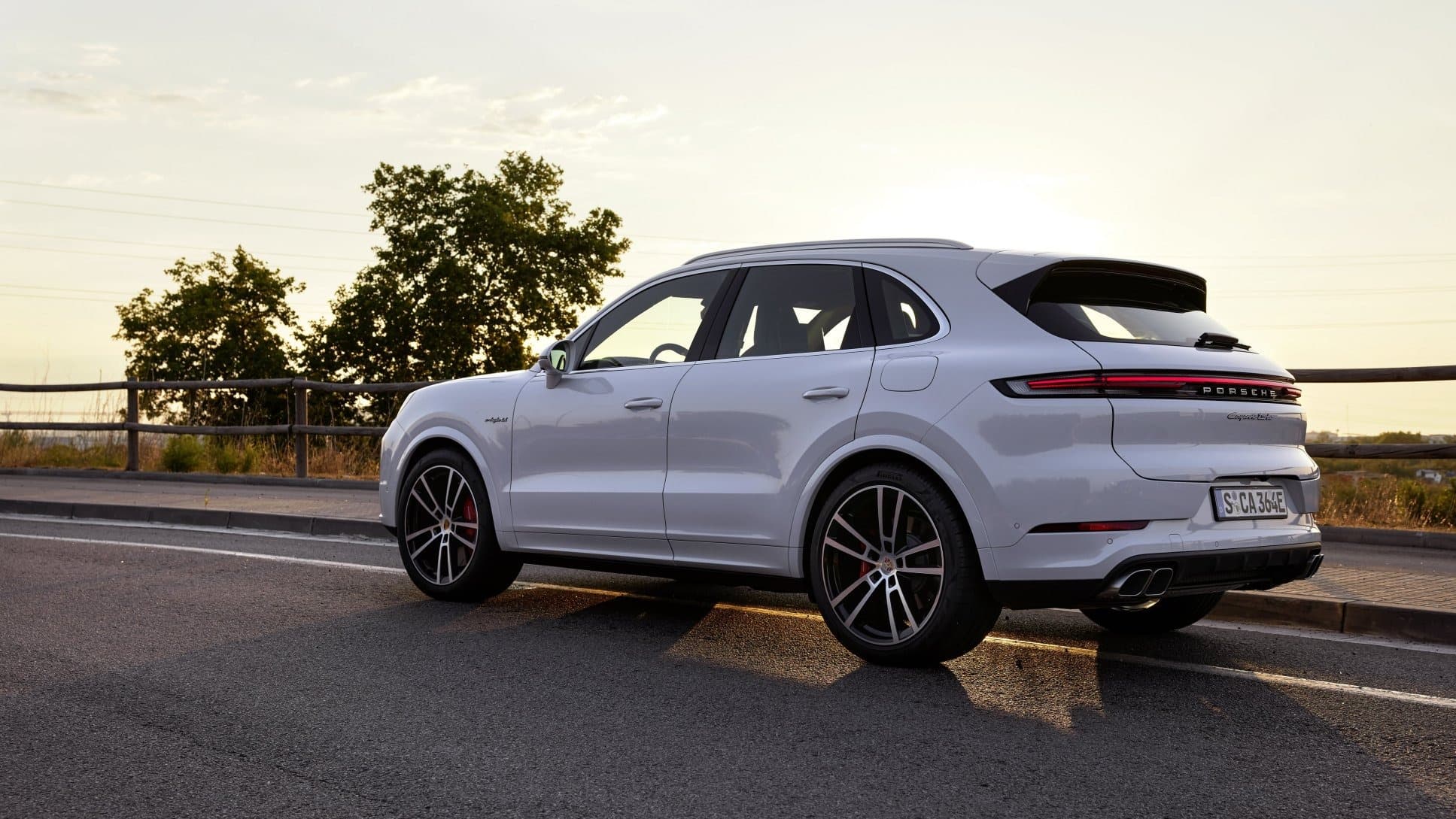
Wildfire smoke doesn't wait for convenient timing. In the Bay Area, it rolls in mid-commute, settles during school pickups, and lingers through entire workweeks without much warning. For drivers spending real time behind the wheel, what's happening inside the cabin matters just as much as what's happening on the road. Porsche's cabin systems don't just filter air; they actively manage the environment around you.
If you're curious how these features compare across the current lineup, browse our new Porsche inventory to see which models include advanced air quality configurations.
Why Bay Area Wildfire Season Puts Your Car's Air Quality Front and Center
California's wildfire season now runs from late spring through fall, and in some years into winter, well beyond its traditional summer window. The Bay Area faces smoke events from fires burning hundreds of miles away, sometimes with almost no advance notice. Spare the Air alerts have become routine seasonal communication rather than rare emergencies. For daily drivers in Livermore, Pleasanton, and the wider Tri-Valley area, the question isn't whether smoke will affect their drive. It's how well their vehicle handles it when it does.
The Reality of Commuting Through Smoke in the Bay Area
Interstate 580 and Highway 84 don't slow down for wildfire season. Bay Area commuters are often stuck in stop-and-go traffic precisely when ambient air quality is at its worst, vehicles idling close together while outside air continuously cycles into the cabin. A standard vehicle air system in recirculation mode helps somewhat, but the quality of filtration and the intelligence behind when to switch modes make a genuine difference over a long commute.
Porsche treats air quality management as a real engineering priority. The systems onboard use layered protection, automatic sensing, and active purification that go well beyond what most people associate with a cabin air filter.
What Poor Air Quality Inside Your Cabin Actually Means
Fine particulate matter, specifically PM2.5 particles common in wildfire smoke, is small enough to pass through basic filter media. During extended drives through smoke-affected air, a poorly filtered cabin allows those particles to circulate continuously in the space where occupants breathe. Odors, eye irritation, and general discomfort during commutes are often a direct result of inadequate cabin filtration, not just the surrounding environment.
A well-designed cabin air system needs to intercept particles before they reach the occupant's breathing zone. That requires something more sophisticated than a single-layer filter.
What Porsche Air Quality Systems Are Designed to Do
Porsche treats cabin comfort as a technical discipline. Climate and air management systems are built to measurable performance targets with layered redundancy from the start.
Multi-Stage Filtration: Catching Particles Before They Reach You
Porsche's cabin air filtration uses a multi-layer filter medium designed to capture fine particles, including dust, pollen, allergens, mold spores, and the microscopic particulates present in wildfire smoke. The filter combines mechanical filtration with activated carbon layers that absorb gaseous pollutants, volatile organic compounds, and the combustion byproducts that give wildfire smoke its sharp, chemical character.
This matters for Bay Area drivers because wildfire smoke isn't a single substance. It's a complex mixture of particles, gases, and chemical compounds that vary based on what's burning, wind direction, and proximity to the fire source. A filter that addresses only particle size without also targeting gaseous contaminants will still allow much of what makes smoke unpleasant and irritating to pass through.
The Porsche Ionizer: Neutralizing What Standard Filters Leave Behind
Select Porsche models offer an ionizer as part of the comfort and wellbeing package, and its function is meaningfully different from standard filtration. Rather than waiting for particles to reach a filter medium, an ionizer charges airborne particles so they cluster together and fall out of suspension before they can be inhaled.
It also helps neutralize odor-causing molecules and certain biological contaminants that filter media alone can't fully address. During wildfire events, when smoke compounds move through cabin air as both particles and gases, the ionizer works in tandem with the activated carbon filter to produce a measurably cleaner interior environment.
How Automatic Recirculation Works When Air Quality Drops
One of the more practically useful features in modern Porsche models is automatic air recirculation. Rather than requiring the driver to manually switch modes when conditions deteriorate, the system uses sensors to detect elevated particulates or pollutants in the incoming air stream and transitions to recirculation on its own.
This is especially relevant during wildfire season when air quality can shift rapidly within a single commute. A driver who starts their trip in clear conditions may hit smoke within a few miles. Not having to adjust controls in that moment keeps attention where it belongs: on the road.
Porsche's approach extends to predictive recirculation as well. The Cayenne uses navigation data to detect approaching tunnel entrances and activates recirculation proactively, before outside air quality changes. That same logic applies broadly; the system works ahead of conditions rather than reacting to them. When outdoor conditions improve, the system gradually reintroduces fresh air so the interior doesn't become stale.
Porsche Air Quality Features vs. a Standard Cabin Air Filter
Most vehicles come with a basic cabin air filter, typically a single-layer pleated medium that captures larger particles like dust and pollen. It serves a purpose, but it wasn't designed with wildfire smoke in mind.
What separates Porsche's approach is the combination of filter quality, supplemental technologies, and smart automation working together. A standard cabin filter requires manual recirculation during a smoke event, offers no ionization for submicron particles, and includes no active carbon layer for gaseous pollutants. Porsche's integrated air quality features address all three gaps at once.
For the most current configuration details on other models, contact us and our team can confirm which features are available on the specific vehicle you're considering.
Practical Tips for Using Your Porsche's Air Systems During Wildfire Season
Even with sophisticated systems onboard, getting the most out of your Porsche's air quality features takes a few intentional habits. The technology performs best when you understand when to rely on automation and when to step in yourself.
When to Switch to Recirculation Mode and When to Let Fresh Air Back In
On days when the AQI hits unhealthy levels, manually engaging recirculation before the automatic system triggers it gives the cabin filtration a head start. This is particularly useful at the beginning of a drive when the cabin still holds ambient air from sitting outside. Activating recirculation immediately and letting the system cycle interior air before introducing any fresh air creates a cleaner baseline.
Knowing when to allow fresh air back in is equally important. Extended recirculation without any fresh air exchange causes carbon dioxide levels inside the cabin to rise gradually, contributing to fatigue on longer drives. Porsche's automatic recirculation logic manages this balance well, but on shorter trips where you're handling the system manually, cycling in fresh air once conditions improve is a smart habit for maintaining alertness and comfort.
Keeping Up With Filter Maintenance During Active Fire Events
Cabin air filters under smoke conditions accumulate particulate matter significantly faster than during normal driving. Under routine conditions, cabin air filters are generally replaced every 15,000 to 30,000 miles, but driving through active fire events may warrant more frequent inspection. A filter that becomes saturated with smoke particulates isn't just less effective; it can become a contamination source by releasing trapped particles back into the airflow.
Checking and replacing the cabin air filter after a prolonged smoke event, rather than waiting for the next scheduled interval, is one of the most practical steps a Porsche owner can take. Our service team can assess filter condition and replace it with OEM parts to ensure the replacement meets the same specification as the original. Schedule a service appointment before fire season peaks to start the season with clean filtration in place.
Why Porsche's Comfort and Wellbeing Features Matter in California
California ownership presents demands that simply don't show up on a European test cycle. Extended wildfire seasons, coastal marine layer, urban air quality variation, and the sheer volume of time spent navigating Bay Area highways make interior comfort a genuine performance category.
Porsche recognized that building a sports car or luxury SUV for real-world California ownership means accounting for these conditions. The comfort and wellbeing systems available across the lineup reflect a design philosophy where the driver's experience inside the cabin receives the same engineering investment as the dynamics outside. In a region where the air beyond your window is unpredictable, a cabin that manages itself intelligently is a real ownership advantage, for new buyers and for owners of Porsche Certified Pre-Owned vehicles alike.
Talk to Porsche Livermore About Air Quality Features and Seasonal Driving
Our team at Porsche Livermore can help you understand which air quality and comfort features are available on the models you're considering, and how to get the most out of them during California's challenging seasons. Whether you're shopping for a new Cayenne with a full wellbeing package or want to make sure your current Porsche is serviced and filtered correctly ahead of fire season, we can walk you through every option clearly.
Located at 3100 Las Positas Rd in Livermore, CA, we serve drivers across the Tri-Valley, Pleasanton, Dublin, and the broader Bay Area. If wildfire season has you rethinking what you expect from a vehicle's interior environment, reach out to our team. It's worth a conversation with people who know the Porsche lineup in depth.