


Porsche Recuperation Management vs Other Regen Braking Systems
Discover how Porsche Recuperation Management outperforms other regen systems with 90% energy recovery. Compare efficiency and range benefits.
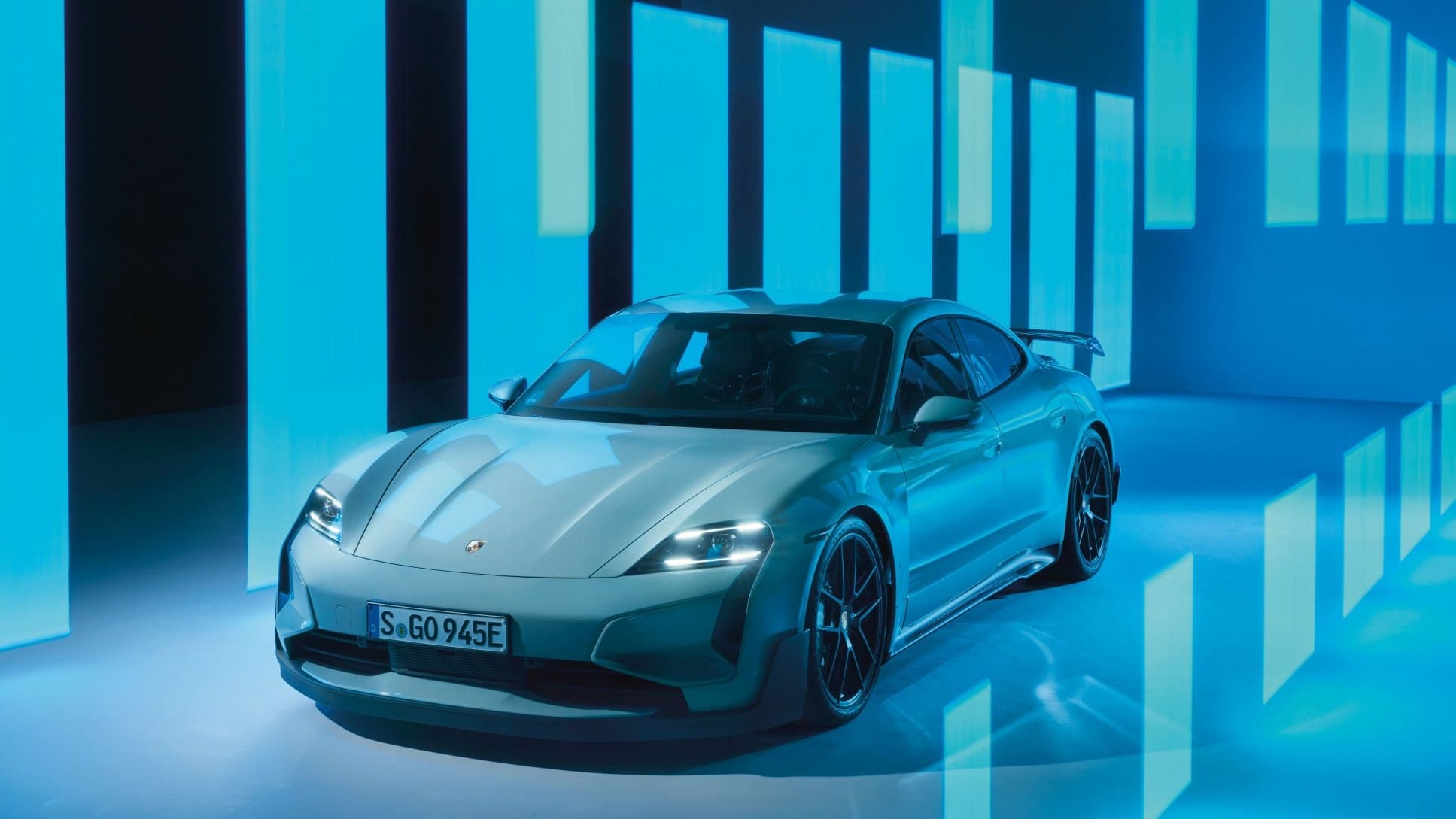
Step into an electric Porsche and something catches you off guard. That brake pedal feels exactly like a Porsche brake pedal should. No jarring deceleration when you lift off the accelerator. No unexpected resistance that makes you second-guess inputs. This isn't accidental. It's Porsche's deliberate approach to energy recovery, built to preserve authentic sports car character while maximizing efficiency.
At Porsche Livermore, when you examine how Porsche Recuperation Management compares to other regenerative braking systems, you see how committed the brand is to maintaining the driving dynamics that define the Porsche experience.
What Is Recuperation and Why Does It Matter in Electric Vehicles
Energy Recovery Explained in Simple Terms
Recuperation converts your vehicle's kinetic energy during deceleration back into stored electricity. When you lift off the accelerator or apply brakes, the electric motor switches into generator mode through four-quadrant operation, spinning backwards to convert mechanical motion into electrical current that recharges the battery. This process simultaneously slows the car and extends driving range.
The physics is straightforward. During acceleration, battery power flows to the motor, driving the wheels forward. During deceleration, the wheels drive the motor, generating electricity for the battery. Here's the interesting part: energy recovery grows quadratically with speed. Braking from 100 km/h yields four times more recoverable energy than braking from 50 km/h, making recuperation especially valuable during highway deceleration.
Why Regenerative Braking Feels Different Across Brands
Automakers tune recuperation based on competing priorities. Some maximize energy recovery through aggressive deceleration the moment your foot leaves the accelerator. Others focus on familiar feel, blending regenerative and friction braking so pedal behavior remains conventional. These philosophies create vastly different driving experiences.
Brand identity shapes these choices. Manufacturers chasing efficiency metrics may tune for aggressive regen despite the adaptation curve. Performance brands like Porsche ask different questions: How can recuperation enhance driving connection rather than interfere with it?
The Two Schools of Thought: One-Pedal Driving vs. Blended Braking
One-pedal driving has become synonymous with electric vehicles for many drivers. Lift your foot, and the car decelerates noticeably, often enough to reach a complete stop without touching the brake pedal. Drivers appreciate the simplicity and knowing most deceleration captures energy. This approach excels in stop-and-go traffic situations.
Blended braking takes a different path. The system divides braking force between regenerative and mechanical friction based on pedal pressure, speed, battery charge, and required deceleration rate. Pedal feel remains consistent regardless of energy recovery happening behind the scenes. Coasting mimics conventional cars with gentle, predictable slowdown on lift-off.
Porsche Taycan regenerative braking embraces this blended philosophy. Rather than forcing drivers to adapt to unfamiliar deceleration patterns, the system adapts to how Porsche owners already drive. It requires sophisticated software but delivers an intuitive response that defines Porsche handling.
How Porsche Recuperation Management Works
Intelligent Brake Blending for Consistent Pedal Feel
Porsche Recuperation Management blends regenerative and friction braking seamlessly within milliseconds. Press the brakes, and the system calculates optimal energy recovery while maintaining precise pedal pressure and response. Software manages transitions between regenerative and mechanical braking invisibly, preserving that confidence-building pedal feel Porsche engineers meticulously develop.
The system monitors multiple variables continuously. Battery charge level affects energy acceptance rates. Speed influences motor efficiency as a generator. Temperature impacts both battery charging capacity and friction brake performance. Control algorithms balance these factors millisecond by millisecond, prioritizing driver experience while maximizing practical energy capture.
Coordination extends beyond the brake pedal. Powertrain management integrates recuperation with stability control, traction management, and torque distribution. During hard cornering, recuperation adjusts to maintain chassis balance. In emergency braking, the system switches instantly to maximum mechanical braking force.
Adaptive Recuperation Settings and Driver Control
Porsche provides genuine control over recuperation behavior through the PCM menu or steering wheel buttons. Settings range from minimal regen (gentle coast-like deceleration on lift-off) to more pronounced energy recovery. These options allow personalization within Porsche's performance-first framework without approaching aggressive one-pedal behavior.
Auto mode analyzes driving conditions and adjusts recovery intensity automatically. The system evaluates traffic density through adaptive cruise sensors, road grade from GPS data, and driving style based on accelerator and brake usage. Recuperation strengthens when descending hills or during stop-and-go situations where energy recovery opportunities increase.
In certain drive modes, paddle shifters enable manual recuperation adjustment. The power meter in your instrument cluster displays current recuperation power up to 400 kW in the latest Taycan models. Porsche's recuperation technology leads the industry, with the Cayenne Electric achieving Formula E-level performance at up to 600 kW, the highest in any production Porsche. This immediate, tactile control mimics traditional downshifting, translating familiar performance driving techniques for electric powertrains.
Why Porsche Prioritizes Predictability Over Aggressive Regen
The Sports Car Philosophy Behind the Tuning
Porsche's engineering decisions stem from fundamental questions about sports car engagement. Predictable vehicle response tops that list. When you release the accelerator mid-corner, you expect the car to hold its line with subtle, manageable deceleration, not sudden speed reduction that disrupts chassis balance. This principle guided recuperation tuning from the Taycan's earliest development.
Strong regenerative braking alters weight transfer during deceleration. The nose dips, rear suspension unloads, and tire loading shifts differently than with conventional braking. For spirited driving on challenging roads, these altered dynamics can compromise precision and driver confidence. Porsche's measured approach to regen intensity preserves intuitive cause-and-effect relationships between inputs and vehicle response.
The philosophy extends to everyday driving. Smooth traffic merging requires predictable coasting distances. Parking maneuvers need creep characteristics matching conventional vehicles. By maintaining familiar behaviors, Porsche Recuperation Management reduces the mental effort of driving an EV, letting you focus on the road rather than recalibrating inputs.
Maintaining Natural Driving Dynamics in Electrified Models
Natural dynamics encompass more than pedal feel. Brake pedal travel, steering response under braking, chassis pitch and dive rates, and subtle feedback cues through the seat and wheel all matter. Porsche engineers measured these characteristics across acclaimed combustion models, then tuned electric powertrains to preserve them.
This commitment explains why a Taycan feels unmistakably Porsche despite fundamentally different propulsion. Relationships between throttle position and acceleration, brake pressure and deceleration, steering angle and cornering response maintain the brand's established character. Recuperation tuning ensures lifting off the accelerator doesn't create unexpected deceleration forces.
The approach also considers long-distance comfort. Aggressive regenerative braking forces constant throttle adjustments to maintain steady highway speeds, since lifting off triggers noticeable slowdown. Gentler recuperation allows genuine coasting, reducing driver workload on long trips and contributing to the refined, unstressed character Porsche GT models achieve at cruising speeds.
Comparing Approaches: Porsche vs. High-Regen Systems
Aspect | Porsche Recuperation Management | High-Regen (One-Pedal) Systems |
Lift-Off Behavior | Coasting by default; optional overrun recuperation for engine-like feel | Strong deceleration on accelerator release |
Brake Blending | Intelligent millisecond blending for seamless pedal feel | Prioritizes max electric regen, less hydraulic blend |
Driver Control | Adjustable via PCM/steering wheel; Auto adapts to conditions | Often fixed high regen with limited adjustment |
Max Recuperation Power | Up to 600 kW, top of field | Varies; focuses on quantity over feel |
Pedal Predictability | Consistent across all braking levels | May feel abrupt on transitions |
Manufacturers using strong one-pedal systems often cite efficiency advantages. Maximum energy recovery should theoretically extend range. In practice, the efficiency difference isn't as dramatic as marketing suggests. Smooth driving with gentle braking captures substantial energy regardless of calibration, while aggressive acceleration wastes energy that no amount of recuperation fully offsets.
High-regen systems excel in specific scenarios: urban delivery vehicles during constant stop-and-go operation, or drivers who rarely reach highway speeds. These use cases differ from performance driving where high-speed braking, corner entry dynamics, and driver confidence outweigh maximum theoretical energy capture. Porsche likely sacrifices a percentage point or two of recuperative efficiency to maintain driving dynamics worth considerably more to the brand's customers.
Who Benefits Most From Porsche's Recuperation Philosophy
Drivers transitioning from combustion Porsches find the shortest learning curve. Recuperation tuning feels immediately familiar because it mirrors engine braking and coasting behavior they already know. This consistency proves invaluable when carrying speed through corners or threshold braking. Muscle memory transfers directly, enabling confident driving from the first moment.
Enthusiasts valuing driving engagement over maximum efficiency numbers appreciate the nuanced control Porsche's system provides. You adjust speed precisely through accelerator position rather than managing unpredictable deceleration. The car responds to your inputs instead of imposing behavior patterns. This driver-focused philosophy aligns with Porsche's broader approach of building tools that amplify driver skill.
Those seeking premium electric vehicles without harsh adjustment periods find Porsche Recuperation Management particularly appealing. You simply drive using techniques learned in any performance vehicle. The system works intelligently in the background, capturing energy without demanding attention or forcing skill relearning. The experience feels refined, sophisticated, and natural.
Experience Porsche Recuperation Management at Porsche Livermore
Understanding recuperation philosophy provides only part of the picture. Real revelation happens behind the wheel, where Porsche's approach transforms engineering decisions into driving satisfaction. We invite you to experience this difference through test drives showcasing how recuperation management integrates with Porsche's legendary dynamics.
Our team understands the technical sophistication behind these systems and can demonstrate how different settings affect real-world driving. Contact us to schedule your test drive at Porsche Livermore and discover how Porsche Recuperation Management preserves the driving character you love while embracing electric efficiency.