


How Porsche Hybrid Drivers Can Maximize Range in California Traffic
Learn how to extend Porsche hybrid range in California's heavy traffic with proven techniques that boost efficiency and reduce charging stops.
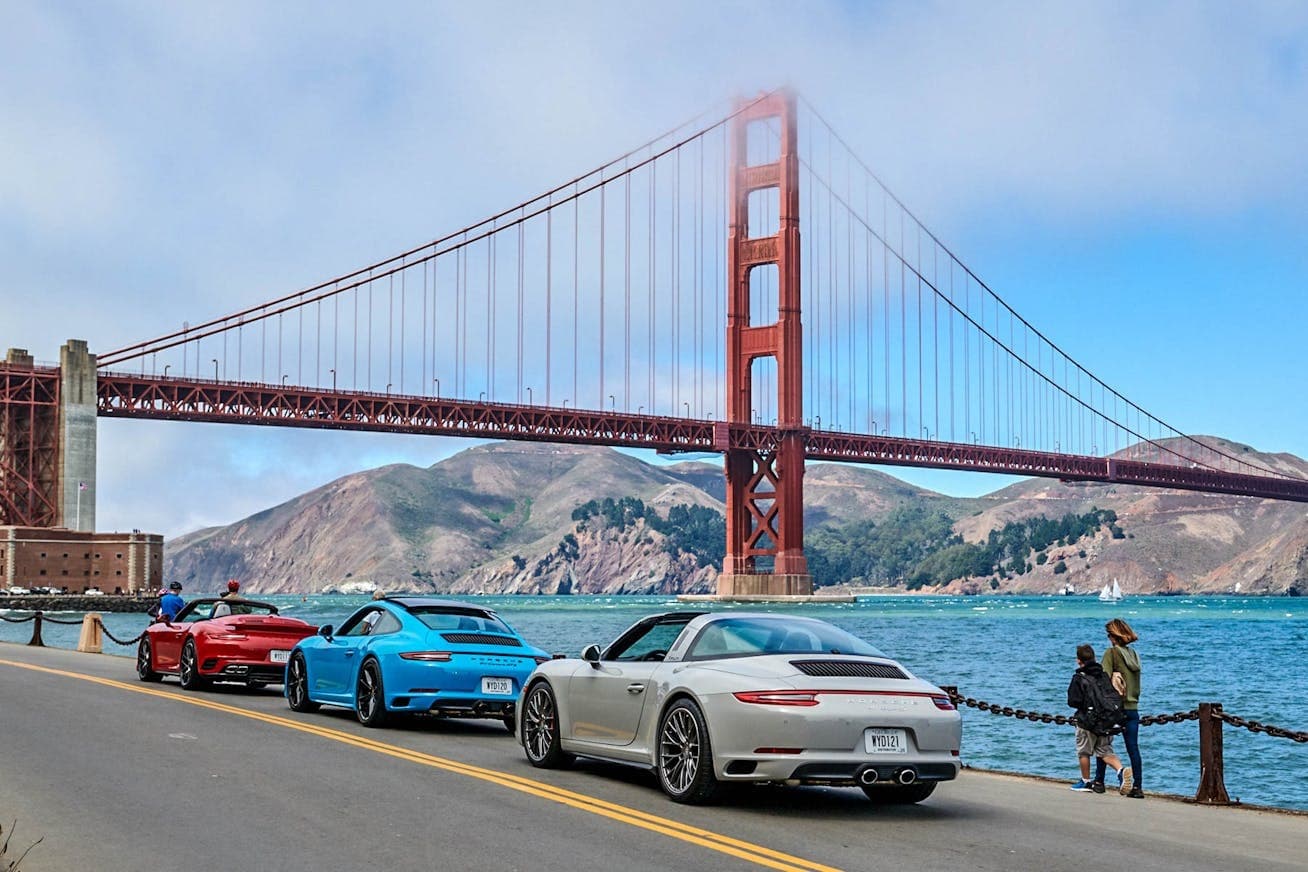
Driving a Porsche hybrid in Bay Area traffic presents a unique opportunity. While sitting in stop-and-go congestion on I-580 might feel like a range drain, it's actually when your Cayenne E-Hybrid or Panamera 4 E-Hybrid performs at its best. Many of our clients at Porsche Livermore discover they consistently beat EPA estimates once they learn a few practical techniques designed for Tri-Valley driving conditions.
Learning how to extend Porsche hybrid range changes your daily commute completely. We've worked with hundreds of drivers navigating routes between Livermore, San Ramon, and Pleasanton. The gap between average and exceptional electric range usually comes down to technique, not technology.
The strategies ahead focus specifically on real-world Bay Area driving. From Bishop Ranch business park traffic patterns to the temperature swings of California's valley heat, these are proven approaches our team has refined through years of supporting local Porsche owners.
Understanding Your Porsche Hybrid's Electric Range Potential
Your Porsche hybrid range isn't just a number on a specification sheet. The 2025 Panamera 4 E-Hybrid carries an EPA rating of 28 miles electric range, while the Cayenne E-Hybrid is rated at 22 miles. Real-world performance in urban Bay Area conditions frequently delivers 25-30 miles for both models.
This isn't accidental. Porsche's hybrid system thrives in the exact conditions that frustrate conventional vehicles. Frequent stops around downtown Livermore, the intersection-heavy roads through Pleasanton, and the predictable flow around Stoneridge Mall create countless opportunities for regenerative energy recovery. Your battery isn't just powering forward motion; it's actively recapturing energy with every deceleration.
When you realize that your hybrid's capabilities aren't fixed but responsive to your driving style, you start seeing traffic differently. That red light ahead isn't wasting your charge. It's an opportunity to put electrons back in the battery.
Mastering Regenerative Braking in Bay Area Stop-and-Go Traffic
How Porsche's Regenerative Braking System Recovers Energy
Every time you slow down, kinetic energy that would normally disappear as brake heat instead flows back into your battery. Porsche's regenerative braking system acts as a generator during deceleration, converting your vehicle's momentum into stored electrical energy. The system operates seamlessly, blending traditional friction braking with electric regeneration based on how much deceleration you request.
This technology performs exceptionally well in Tri-Valley traffic patterns. The stop-and-go rhythm of morning commutes through San Ramon or the frequent signals along First Street in Livermore maximizes recovery opportunities. Each stop builds range for the next electric mile.
Brake Pedal Modulation and Anticipatory Driving for Maximum Recovery
Maximizing regenerative energy recovery centers on two techniques: gentle brake pedal modulation and anticipatory driving. Focus on how you use the brake pedal and when you lift off the accelerator.
Apply brake pressure gradually and progressively. When you see traffic slowing ahead, release the accelerator early and let regenerative braking begin working before you touch the brake pedal. This early lift-off captures momentum while it's still available. Once you do apply the brakes, use smooth, moderate pressure rather than sudden stops. The system recovers energy most efficiently through consistent, controlled deceleration.
Your driving mode selection also influences regenerative behavior. E-Power mode optimizes the system for maximum electric operation and recovery, while Hybrid Auto mode balances regeneration with overall efficiency. Maintain safe following distances throughout (efficiency should never compromise your awareness of surrounding traffic).
Selecting the Right Driving Mode for Your Tri-Valley Commute
Mode selection makes a substantial difference in the range your Porsche hybrid delivers. E-Power mode maintains pure electric operation for as long as battery charge allows, making it perfect for local driving within Livermore or short trips to nearby San Ramon. Your combustion engine stays silent, and you maximize zero-emission miles.
Hybrid Auto mode brings intelligent sophistication to longer commutes. The system continuously evaluates driving conditions, battery state, and power demands to blend electric and combustion power seamlessly. For I-580 corridor drives where you're mixing highway speeds with occasional slowdowns, this mode delivers the best overall efficiency.
Sport and Sport Plus modes prioritize performance over efficiency. We recommend reserving these modes for spirited weekend drives rather than daily commuting if electric range is your priority.
Here's the practical framework we suggest: engage E-Power for errands around downtown Livermore, trips through Pleasanton's residential areas, or any drive where you're staying local and under 25 miles. Switch to Hybrid Auto when you're heading onto I-580 for longer stretches or when you're uncertain about total trip distance. This approach ensures you're using battery capacity strategically while maintaining confidence you won't deplete charge prematurely.
Traffic-Smart Driving Strategies for I-580 and Local Roads
Anticipating Traffic Flow Around Livermore, San Ramon, and Pleasanton
Reading traffic patterns ahead transforms how efficiently your hybrid operates. Rather than reacting to brake lights immediately in front of you, scan several cars ahead and adjust your speed gradually. When you see congestion forming near the Bishop Ranch exits or slowdowns approaching Stoneridge, begin easing off the accelerator early. This anticipatory approach maintains momentum longer and creates smoother regenerative braking cycles.
Morning and evening commuter patterns in the Tri-Valley follow predictable rhythms. Understanding these flows helps you plan mode selection and speed management. If you're approaching a section where you know traffic will slow, letting your vehicle coast before brake application maximizes energy capture.
Intersections throughout Livermore, San Ramon, and Pleasanton require particular attention. Rather than accelerating hard between signals only to brake abruptly at the next light, maintain moderate speeds that let you time arrivals with green lights. This keeps energy consumption steady and reduces how much power you need to recover through braking.
Coasting and Momentum Management on California Highways
Highway driving presents distinct efficiency opportunities that reward careful momentum management. When approaching downhill sections along I-580 or when traffic ahead begins slowing, lift completely off the accelerator and let your Porsche coast. The vehicle maintains speed using existing momentum while consuming minimal energy.
Gentle speed adjustments matter more than you might expect. Use cruise control on open highway sections. When traffic forces speed changes, make them gradual rather than abrupt.
Flat stretches along the I-580 corridor between Livermore and Pleasanton suit steady-state cruising perfectly. Your hybrid system runs most efficiently at consistent speeds rather than through rapid acceleration cycles. When approaching uphill grades, accept modest speed reductions rather than demanding full power to maintain your previous pace.
Climate Control Tips for California's Valley Heat
Pre-Conditioning Your Porsche While Plugged In
Pre-conditioning represents one of the most effective yet underutilized range-extending strategies available. Through the My Porsche app, you can set departure timers that bring your cabin and battery to optimal temperatures before you unplug. This process draws power from the grid rather than your battery, preserving full electric range for actual driving.
Valley heat makes this feature particularly valuable. When your Cayenne or Panamera sits in afternoon sun, cabin temperatures can reach uncomfortable levels that would normally require significant air conditioning once you start driving. Pre-conditioning cools the interior before departure, meaning your climate system only needs to maintain temperature rather than dramatically lower it.
Set your departure timer for your typical morning commute schedule. For afternoon drives, manually trigger pre-conditioning through the app about 10 minutes before you plan to depart. This small habit shift can preserve several miles of electric range that would otherwise disappear into climate control demands.
Balancing Comfort and Efficiency in Warm Weather
California's valley climate requires strategic climate control management. Rather than setting air conditioning to maximum cold, aim for moderate cabin temperatures that maintain comfort without demanding excessive energy. Each degree of cooling requires power.
Direct vents toward occupants rather than trying to cool the entire cabin evenly. Focused cooling delivers comfort with less energy expenditure. Recirculation mode prevents the system from constantly cooling hot outside air, reducing HVAC load during valley heat.
Seat ventilation uses far less energy than cabin cooling. Engage this feature first, then adjust air conditioning only as needed for supplemental comfort. Similarly, using the heated steering wheel in cooler morning hours rather than full cabin heating preserves battery charge while maintaining driving comfort.
Building Smart Charging Habits for Daily Commutes
Consistent charging practices ensure you start each drive with maximum electric range available. For Tri-Valley commuters, overnight home charging provides the foundation for reliable electric operation. Plugging in whenever your Porsche is parked takes advantage of every opportunity to replenish battery charge.
Your charging strategy should match your daily driving patterns. If your round-trip commute falls within your vehicle's electric range, a single overnight charge supports fully electric operation. For longer daily distances, partial charges during the day extend how many miles you can cover electrically.
Level 2 home charging delivers the most convenient experience. The faster charging speed compared to standard outlets means shorter plug-in times and greater flexibility in your schedule. Porsche Livermore can connect you with installation resources if you're interested in upgrading your home charging setup.
Timing charges to align with your utility's rate structure reduces costs while maintaining the flexibility your schedule requires. Many Bay Area utilities offer lower rates during overnight hours, making evening charging both economical and practical.
Maximize Your Porsche Hybrid Range with Support from Porsche Livermore
The techniques we've covered deliver real-world improvements once you integrate them into your driving routine. Our team at Porsche Livermore has guided countless Tri-Valley drivers through exactly this process, combining factory training with local route knowledge to help you get the most from your hybrid.
We invite you to experience the Cayenne E-Hybrid or Panamera 4 E-Hybrid firsthand through a test drive focused on efficiency techniques. Our product specialists can demonstrate mode selection, regenerative braking optimization, and pre-conditioning setup specific to your commute patterns. We offer personalized efficiency consultations that address your unique driving conditions and range goals.
Visit us at 3100 Las Positas Rd in Livermore, or contact our sales team at (925) 344-5488 to schedule your hybrid test drive. Our service department at (925) 344-5609 provides factory-authorized maintenance that keeps your hybrid system operating at peak efficiency.